
- Letting the beer sit on the yeast for 2 weeks
- Letting the beer sit on the yeast for 3 or more weeks
- Fermenting at cooler temperatures
- Fermenting at warmer temperatures
- Trying different yeasts (US-05, US-04, WLP001, WLP017, WB-06)
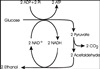
Early on, I made a 6 gal batch - 5 for the keg, 1 to bottle. For that batch, the 1 gal of bottled beer seemed to be rid of the acetaldehyde in about half the time of the keg. The only difference that I could see is that the bottles got a bit of priming solution and the keg did not. I've subsequently added a bit of priming solution to the keg whenever I keg a beer and it seems to help.
I'm guessing that maybe I'm managing the yeast improperly. When I put the wort into the fermenter, I vigorously pour back-and-forth many times to aerate. It gets pretty foamy from this, so I'm assuming something is happening. I recognize that there's a limit to the amount of O2 that's getting into the wort via this technique, but even Palmer suggests that this should be ok.
When I'm using dry yeast, I hydrate it first for at least 20 minutes before pitching. For the White Labs liquid yeast, I usually just shake up the tube and then pitch as is. My batches are 2.5 or 5 gal, so my understanding is that this should be sufficient.
So, is there something I can do to fix this or do I just have to live with a long conditioning process?



 After that 2 weeks, if it's a keg I then put it in my keezer. For bottles, I put in a few at a time.